Understanding Electrical Panel Boards:
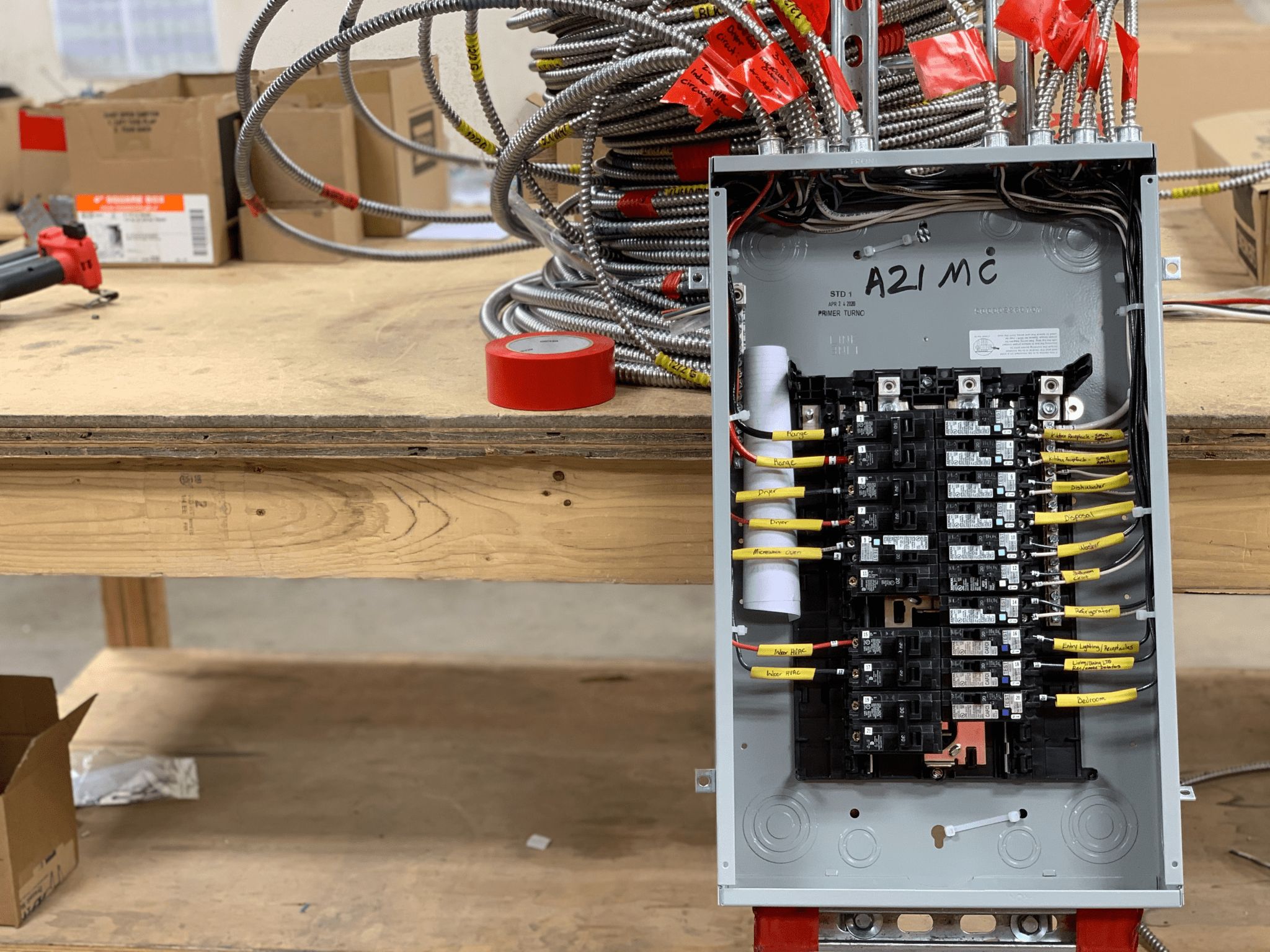
At its core, an electrical panel board serves as a centralized hub where electrical power from a utility company or generator is distributed to various circuits within a building or facility. Think of it as the command center that regulates the flow of electricity, ensuring that power is delivered safely and efficiently to different appliances, outlets, and equipment.
In the world of electrical systems, there’s a crucial element that often stays hidden in plain sight yet holds immense significance in ensuring smooth operations and safety: electrical panel boards. These unassuming cabinets are the unsung heroes that distribute electricity throughout buildings, homes, industrial facilities, and more. In this blog post, we’ll delve into the heart of electrical panel boards, exploring their purpose, components, types, and the importance they hold in our daily lives.
Components of Electrical Panel Boards:
- Main Breaker or Main Switch: This is the primary switch that controls the flow of electricity from the external power source into the panel. It allows you to shut off power to the entire building in case of emergencies or maintenance.
- Circuit Breakers: These are switches that automatically interrupt electrical flow when they detect overloads or short circuits in the circuit they protect. They come in various sizes and ratings to accommodate different electrical loads.
- Bus Bars: Bus bars are metal strips or bars where the circuit breakers are connected. They serve as conductors, distributing electricity from the main breaker to individual circuits.
- Neutral Bus Bar and Grounding Bar: These bars provide connections for neutral wires (which carry current back to the source) and grounding wires (which provide a path for electricity to safely discharge in case of a fault).
- Door and Enclosure: The door provides access to the circuit breakers and other components inside the panel, while the enclosure protects the internal components from dust, moisture, and accidental contact.
The Importance of Electrical Panel Boards:
- Safety: Electrical panel boards play a crucial role in preventing electrical hazards such as overloads, short circuits, and electrical fires. Circuit breakers within the panel automatically trip when they detect abnormalities, protecting both people and property.
- Reliability: By providing organized and efficient distribution of electricity, panel boards ensure that power is delivered reliably to all areas of a building, minimizing downtime and disruptions.
- Scalability: As electrical needs evolve, panel boards can be upgraded or expanded to accommodate additional circuits and equipment, providing scalability and flexibility for future growth.
- Compliance: Adhering to electrical codes and standards is essential for ensuring the safety and legality of electrical installations. Electrical panel boards must be installed and maintained in accordance with these regulations to ensure compliance.
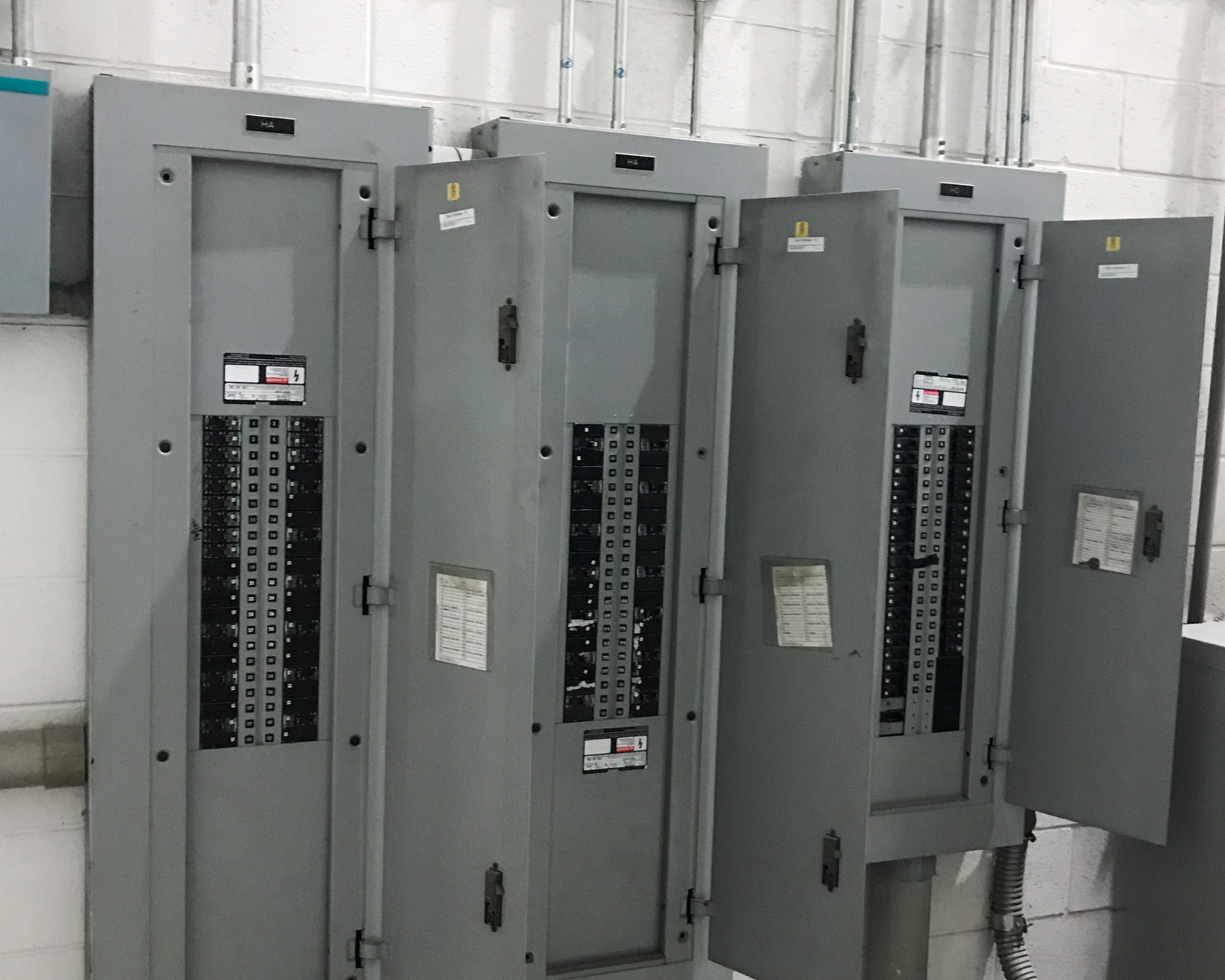
In conclusion, electrical panel boards are the backbone of electrical systems, serving as the nerve center that powers our modern world. While they may not always be in the spotlight, their importance cannot be overstated. By understanding their purpose, components, and types, we gain a greater appreciation for the vital role they play in keeping our homes, businesses, and industries electrified and operating smoothly.