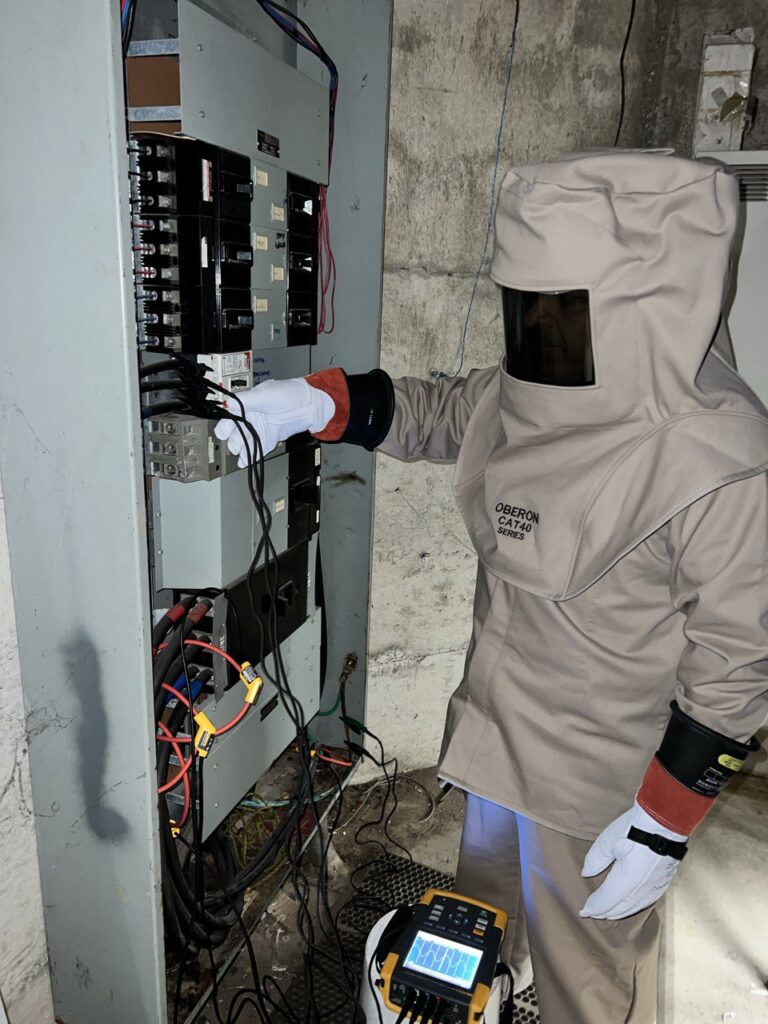
Electrical Testing Equipment and Safety
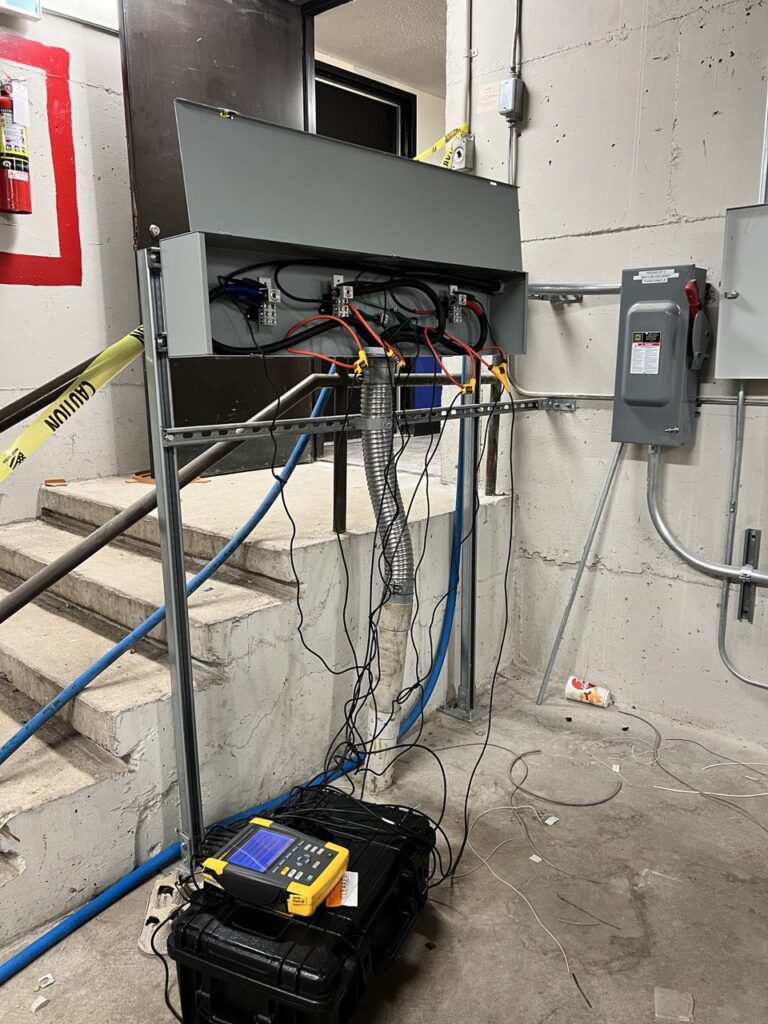
-Testing and Commissioning Project
-Industry Standard Practices
-Safety Measures and Protocols
Welcome to FAP Power Solutions Blog!
Providing you valuable information on Canadian Electrical Standards.
In the realm of electrical engineering and construction, the journey from project inception to completion involves a crucial phase known as testing and commissioning. For electrical companies, this phase represents the culmination of meticulous planning, precise execution, and unwavering commitment to safety and quality. In this blog post, we’ll explore the significance of testing and commissioning for electrical companies, highlighting key processes, best practices, and strategies to ensure excellence in every project.
The Significance of Testing and Commissioning for Electrical Companies: Testing and commissioning are pivotal stages in the lifecycle of electrical projects, serving multiple essential purposes:
- Quality Assurance: Rigorous testing validates the integrity and functionality of electrical systems, ensuring compliance with design specifications and industry standards.
- Safety Compliance: Thorough testing helps identify potential electrical hazards, ensuring that installations meet regulatory safety requirements and pose no risk to personnel or property.
- Reliability Enhancement: Commissioning involves performance testing under various conditions to verify the reliability and resilience of electrical systems, minimizing the likelihood of downtime or failures post-installation.
- Client Satisfaction: Successful testing and commissioning instill confidence in clients by demonstrating the reliability and efficiency of electrical installations, thereby enhancing client satisfaction and fostering long-term relationships.
Key Processes in Testing and Commissioning for Electrical Companies:
- Pre-commissioning Checks: Verify the installation integrity, including cable routing, connections, and equipment installation, to ensure readiness for testing.
- Functional Testing: Conduct comprehensive tests to verify the functionality of electrical systems, including power distribution, protection systems, control circuits, and emergency shutdown procedures.
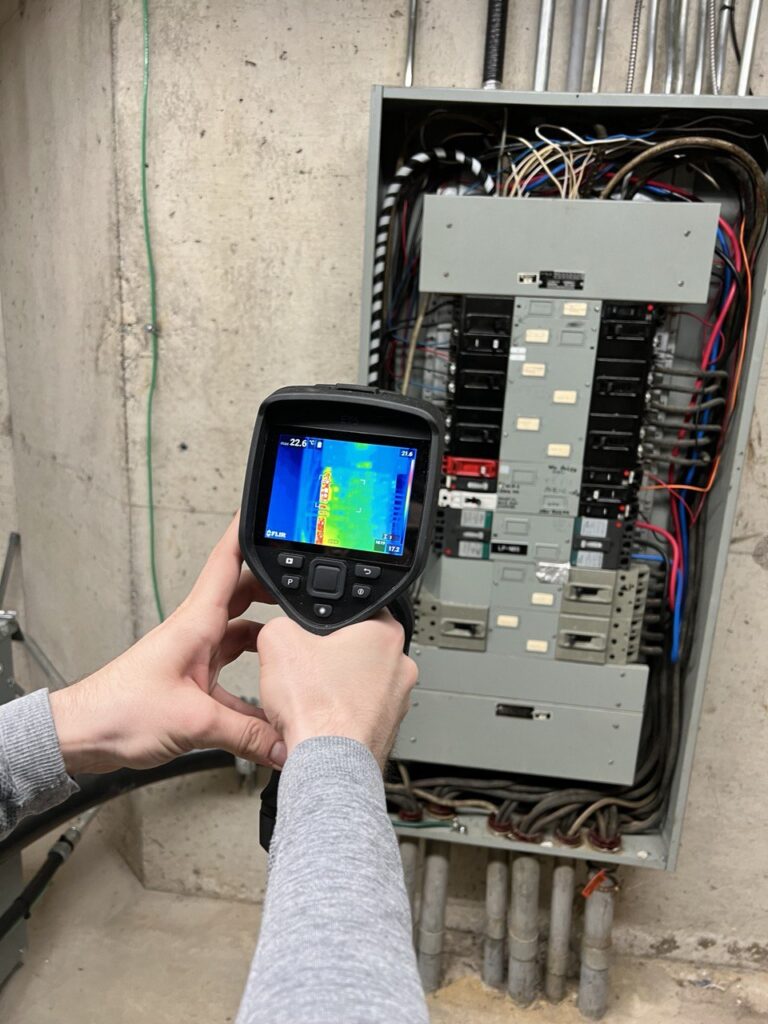
- Performance Testing: Assess the performance of electrical systems under normal operating conditions, as well as under load, to validate efficiency, voltage regulation, and overall system stability.
- Safety Testing: Perform insulation resistance tests, earth continuity tests, and other safety checks to ensure compliance with electrical safety standards and mitigate the risk of electric shock or fire hazards.
- Documentation and Reporting: Document test procedures, results, and any deviations from specifications in detailed reports for record-keeping, compliance, and future reference purposes.
Best Practices for Testing and Commissioning in Electrical Companies:
- Compliance with Standards: Adhere to relevant industry standards, codes, and regulations throughout the testing and commissioning process to ensure legal compliance and adherence to best practices.
- Skilled Workforce: Invest in ongoing training and development for personnel involved in testing and commissioning activities to ensure proficiency in testing techniques, safety protocols, and equipment operation.
- Collaborative Approach: Foster collaboration among project stakeholders, including engineers, technicians, clients, and regulatory authorities, to facilitate smooth coordination and timely resolution of issues.
- Utilization of Advanced Technologies: Embrace technological advancements such as digital testing tools, remote monitoring systems, and predictive maintenance solutions to enhance the efficiency and accuracy of testing and commissioning activities.
- Continuous Improvement: Regularly review and evaluate testing and commissioning processes, incorporating feedback from past projects to identify areas for improvement and optimize future performance.
Summary:
Testing and commissioning represent the final frontier in the journey of electrical companies towards delivering safe, reliable, and high-quality electrical installations. By embracing best practices, leveraging advanced technologies, and fostering a culture of continuous improvement, electrical companies can ensure excellence in testing and commissioning activities, thereby enhancing client satisfaction, mitigating risks, and upholding industry standards. In the pursuit of electrical excellence, testing