Intro to Substations:
Substations are the backbone of electrical power systems, playing a crucial role in transmitting and distributing electricity efficiently and reliably. As technology advances and the demand for electricity continues to grow, the importance of properly testing and maintaining substations cannot be overstated. In this comprehensive guide, we will delve into the various tests conducted on substations, their significance, and the methodologies employed to ensure the integrity and performance of these vital components of the power grid.
- Importance of Substation Testing: Substations serve as critical nodes in the power grid, facilitating the transformation, distribution, and control of electrical energy. Any malfunction or failure within a substation can lead to widespread outages, disrupting essential services and causing economic losses. Testing plays a pivotal role in identifying potential issues, assessing the condition of equipment, and preemptively addressing problems before they escalate into costly failures.
- Types of Substation Tests: a. Electrical Tests:
- Insulation Resistance Test: Evaluates the insulation integrity of equipment such as transformers, cables, and circuit breakers by measuring the resistance to current flow between conductors and ground.
- Power Factor Test: Determines the dielectric properties of insulation materials by measuring the power factor, which indicates the level of leakage current in capacitive elements.
- Transformer Turns Ratio Test: Verifies the turns ratio of transformers to ensure proper voltage regulation and efficiency.
- Mechanical Operation Test: Checks the functionality of mechanical components such as switches, circuit breakers, and disconnectors to ensure smooth operation and reliability.
- Contact Resistance Test: Assesses the electrical contact between mating surfaces to prevent overheating and optimize electrical conductivity.
- Temperature Rise Test: Measures the temperature increase of equipment under normal operating conditions to ensure compliance with design specifications and prevent overheating.
- Humidity Test: Evaluates the performance of equipment in humid environments to mitigate the risk of corrosion and insulation degradation.
3. Testing Methodologies:
a. Onsite Testing:
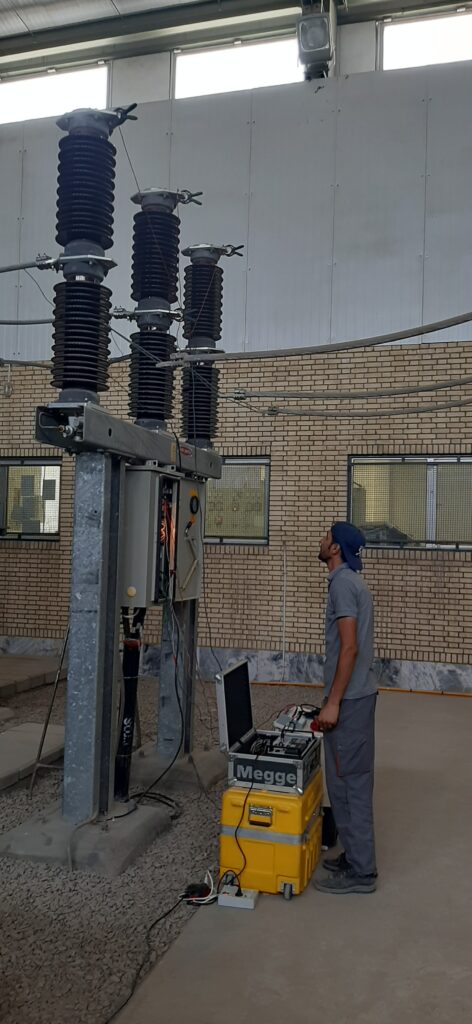
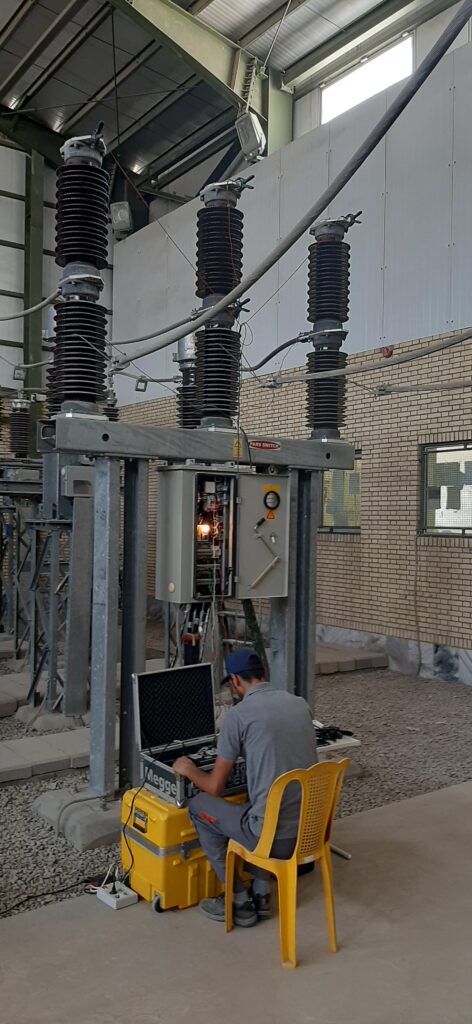
- Conducted on installed equipment within substations, onsite testing provides real-world insights into the condition and performance of critical assets.Requires specialized testing equipment and skilled personnel to perform accurate measurements and interpretations.
b. Factory Testing:
- Conducted at the manufacturing facility before equipment is deployed to the field, factory testing ensures compliance with design standards and specifications.
- Allows for comprehensive testing under controlled conditions, facilitating early detection of defects and ensuring quality assurance.
4. Benefits of Substation Testing:
a. Enhanced Reliability: Regular testing helps identify potential issues before they escalate into failures, minimizing the risk of unplanned outages and improving system reliability.
b. Improved Safety: By identifying faulty equipment and mitigating potential hazards, testing contributes to a safer working environment for personnel operating within substations.
c. Optimal Performance: Testing enables proactive maintenance and optimization of substation equipment, ensuring efficient operation and prolonging the lifespan of assets.
Conclusion: Substation testing is an indispensable aspect of maintaining the integrity, reliability, and efficiency of electrical power systems. By conducting a comprehensive range of tests, utilities can identify and address potential issues, minimize downtime, and ensure the continuous supply of electricity to consumers. As technology evolves and the demand for electricity grows, the importance of proactive testing and maintenance practices will only continue to increase, underscoring the critical role that substations play in powering the modern world.