Importance of Tap Changers
In the intricate web of the power distribution network, there are numerous components working tirelessly to ensure a seamless flow of electricity to homes, businesses, and industries. Among these unsung heroes, tap changers stand out as a crucial yet often overlooked element in the functioning of electrical systems. In this post, we delve into the significance of tap changers for electrical companies and why they are indispensable for maintaining a stable and reliable power supply.
What Are Tap Changers?
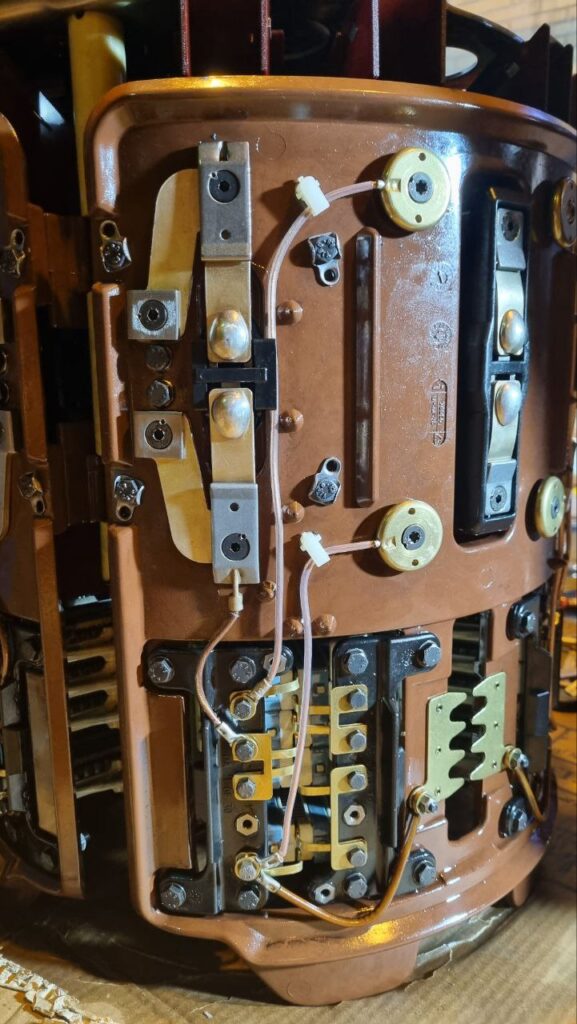
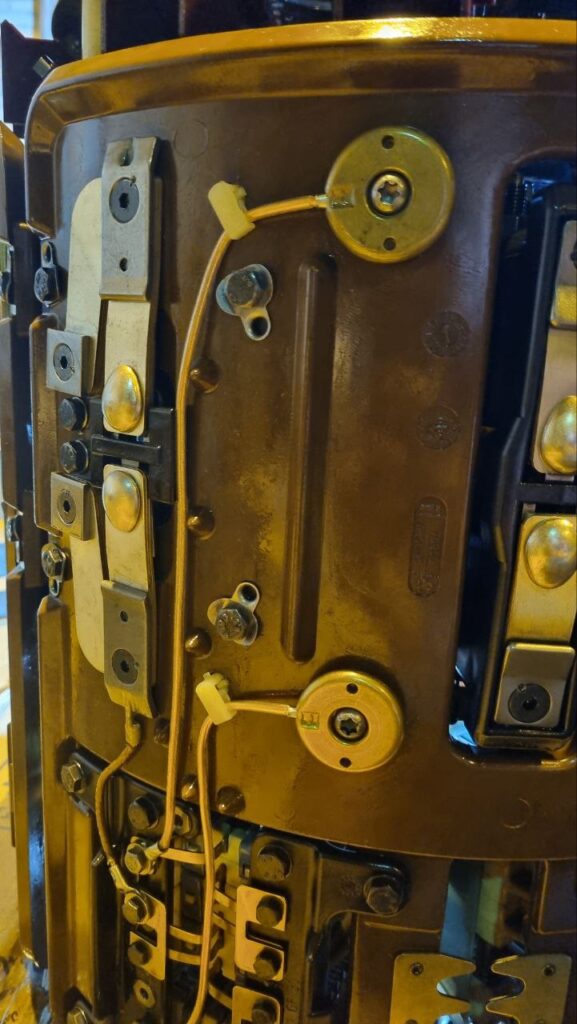
Before diving into their importance, let’s first understand what tap changers are and how they operate. Tap changers are devices used in transformers to regulate the voltage levels of electricity flowing through power lines. They essentially adjust the number of turns in the transformer winding, thereby altering the ratio of input to output voltage. This adjustment is necessary to compensate for variations in load demand, voltage fluctuations, and other factors that affect the efficiency and reliability of the power grid.
Ensuring Voltage Stability
One of the primary functions of tap changers is to maintain voltage stability within the electrical grid. Voltage fluctuations can occur due to changes in load demand, seasonal variations, or faults in the transmission system. Without proper voltage regulation, overvoltages or undervoltages can occur, leading to equipment damage, inefficient operation, and even power outages.
Tap changers play a crucial role in addressing these voltage fluctuations by adjusting the transformer’s winding ratio to match the desired output voltage. By continuously monitoring and adjusting the tap settings, electrical companies can ensure that voltage levels remain within safe limits, thereby safeguarding the integrity of the power supply.
Optimizing Energy Efficiency
In addition to voltage regulation, tap changers also contribute to optimizing energy efficiency within the power grid. By adjusting the transformer taps to match the specific load requirements, electrical companies can minimize energy losses and improve overall system performance.
For instance, during periods of low demand, tap changers can be adjusted to reduce the transformer’s output voltage, thereby preventing excess energy from being wasted. Conversely, during peak demand periods, tap settings can be adjusted to maintain adequate voltage levels and meet the increased load requirements efficiently.
Enhancing Equipment Lifespan
Another significant benefit of tap changers is their ability to enhance the lifespan of electrical equipment, particularly transformers. By ensuring that voltage levels are kept within optimal ranges, tap changers help prevent excessive stress on transformer components, such as insulation materials and winding coils.
Over time, prolonged exposure to overvoltages or undervoltages can degrade the performance and reliability of transformers, leading to premature failure and costly repairs. By actively regulating voltage levels, tap changers help mitigate these risks, thereby prolonging the lifespan of transformers and reducing maintenance expenses for electrical companies.
Conclusion
In the complex ecosystem of power distribution, tap changers play a crucial role in maintaining voltage stability, optimizing energy efficiency, and enhancing the longevity of electrical equipment. While often overshadowed by more visible components of the power grid, tap changers are indispensable for ensuring a reliable and resilient electricity supply.
As electrical companies continue to modernize and upgrade their infrastructure to meet the evolving demands of the digital age, the importance of tap changers will only grow. By investing in advanced tap changer technologies and adopting proactive maintenance strategies, electrical companies can further enhance the performance and reliability of their power distribution networks, ultimately benefiting consumers and industries alike.